Introduction
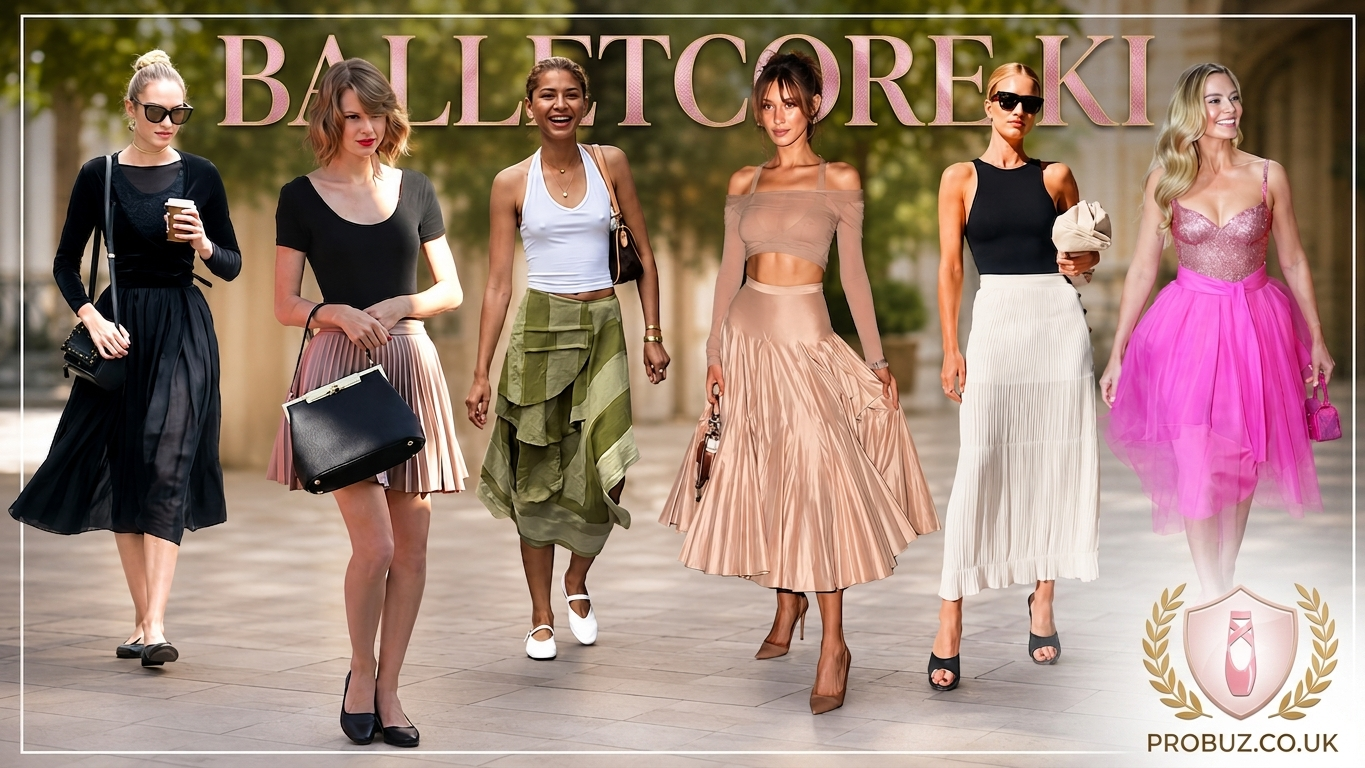
If you have recently seen ballet flats, wrap cardigans, leg warmers, soft pink clothing, ribbons, and delicate tulle appearing across social media, you have probably encountered balletcore. But what exactly does “balletcore ki” mean, and why has this ballet-inspired aesthetic become such a recognizable part of modern fashion?
Balletcore is a fashion aesthetic influenced by the clothing, colors, silhouettes, and visual details associated with ballet. It takes elements traditionally connected with dancers—such as wrap tops, bodysuits, tights, ballet flats, warm-up layers, and ribbons—and adapts them for everyday wardrobes. The trend gained major visibility through social media and fashion collections, while ballet-inspired clothing has a much longer history in fashion.
The style can be extremely soft and romantic, but it does not have to look like a costume. Modern balletcore can be subtle, practical, minimalist, edgy, or even slightly rebellious. That flexibility is one reason the aesthetic continues to evolve.
What Is Balletcore?
Balletcore is a fashion aesthetic inspired by ballet dancers and ballet culture. It combines the graceful appearance of dancewear with everyday clothing.
Rather than wearing an actual stage costume, someone following the balletcore aesthetic might pair a simple cardigan with ballet flats, wear leg warmers over leggings, or add a ribbon to an otherwise ordinary outfit. The goal is to capture the feeling of ballet without needing to dress like a professional dancer.
Fashion publications have traced the current revival to a broader history of designers borrowing from ballet and dancewear. Vogue has noted that ballet-inspired fashion has appeared repeatedly across different periods, while the modern “balletcore” label became especially visible through social media and contemporary fashion.
Why Is Balletcore Called “Balletcore”?
The word follows the same naming pattern as other internet fashion aesthetics, such as cottagecore, normcore, and fairycore.
“Ballet” describes the source of the inspiration, while “core” refers to an aesthetic or recognizable style built around a particular theme. So, in simple terms, balletcore means a fashion and lifestyle aesthetic centered around ballet-inspired details.
Key Features of Balletcore Fashion
Balletcore does not have one strict uniform. However, several pieces repeatedly appear in the aesthetic.
Ballet Flats
Ballet flats are perhaps the easiest way to introduce balletcore into an everyday outfit.
Classic versions have a simple, low-profile shape that resembles traditional ballet shoes. Modern designs can include Mary Jane straps, satin finishes, pointed toes, metallic details, or other contemporary touches.
The popularity of ballet flats has also continued beyond the original social-media trend. Recent fashion coverage has reported renewed consumer interest in ballet-style footwear, including new interpretations from major footwear companies.
Wrap Cardigans and Tops
Wrap sweaters are another signature element.
The shape resembles the warm-up clothing dancers often wear before or after class. A wrap cardigan can be worn over a fitted top, bodysuit, tank top, or simple T-shirt.
For a subtle look, choose a neutral cardigan. For a more traditional balletcore outfit, soft pink, cream, gray, or pastel shades work particularly well.
Leg Warmers
Leg warmers add an unmistakable dance reference.
They can be worn with leggings, tights, skirts, jeans, or dresses depending on the overall outfit. You do not need to wear them in a perfectly traditional way. Scrunched leg warmers can actually make the look feel more relaxed and modern.
Tulle Skirts
Tulle brings the theatrical side of balletcore into an outfit.
A short tulle skirt can create a youthful, playful appearance, while a longer midi version can feel more elegant. If a full tulle skirt seems too dramatic for everyday wear, balance it with a simple sweater, T-shirt, denim jacket, or structured coat.
Bodysuits and Fitted Tops
Bodysuits are closely associated with the clean lines of ballet practice clothing.
A fitted bodysuit can be paired with wide-leg trousers or a flowing skirt to create contrast. This is especially useful if you want the outfit to look fashion-forward rather than like actual dancewear.
Ribbons and Bows
Hair ribbons, bows, and delicate accessories provide another easy entry point.
You can tie a ribbon around a ponytail, bun, braid, or even use a bow as a small accessory on a handbag. A single ribbon is often enough to communicate the aesthetic without making the entire outfit feel overly themed.
Balletcore Color Palette
Color plays a major role in the visual identity of balletcore.
Popular Balletcore Colors
Ballet pink
Blush
Cream
Ivory
White
Soft gray
Beige
Dusty rose
Black
Pale blue
Burgundy
Pink is strongly associated with the aesthetic, but it is not mandatory. In fact, darker shades can create a more mature interpretation.
Recent versions of balletcore have also moved beyond the traditional pale-pink image. Fashion coverage in 2026 has highlighted a grittier interpretation influenced by real ballet culture and darker visual references, showing how the aesthetic is becoming less dependent on an ultra-sweet color palette.
How to Create a Balletcore Outfit
You do not need to replace your entire wardrobe to try balletcore. Start with one or two recognizable pieces and build around them.
Simple Everyday Balletcore Outfit
For a casual outfit, try:
Straight-leg jeans
A fitted top
A soft wrap cardigan
Ballet flats
A small ribbon in your hair
This combination keeps the ballet influence visible without becoming overly theatrical.
Soft Feminine Balletcore Outfit
For a more romantic look, combine:
A tulle midi skirt
Fitted knit top
Wrap cardigan
Ballet flats
Delicate jewelry
Ribbon or bow hairstyle
Soft textures work particularly well here because they reinforce the graceful character of the aesthetic.
Minimalist Balletcore Outfit
If you prefer understated fashion, choose:
Black trousers
A fitted gray or cream top
A simple cardigan
Black ballet flats
Small earrings
The ballet influence becomes subtle rather than obvious.
Edgy Balletcore
Balletcore does not have to be sweet.
Try combining a tulle skirt or ballet flats with a leather jacket, dark tights, oversized outerwear, or black accessories. This creates tension between delicate ballet references and tougher streetwear elements.
That approach reflects the way the trend has developed in recent years. The newest interpretations increasingly combine authentic dance references with stronger, darker fashion choices rather than relying only on pastel colors and traditionally feminine details.
Balletcore vs. Coquette Fashion
Balletcore and coquette fashion often overlap, but they are not identical.
Coquette fashion focuses heavily on romantic femininity, bows, lace, ribbons, delicate details, and flirtatious styling.
Balletcore, on the other hand, takes more direct inspiration from ballet practice and performance. Wrap tops, leg warmers, ballet flats, tights, bodysuits, and dancer-inspired silhouettes are much more central to the look.
There can certainly be crossover. A balletcore outfit can have a coquette influence, and a coquette outfit can include ballet-inspired accessories.
Balletcore vs. Soft Girl Style
Soft girl fashion generally emphasizes pastel colors, feminine silhouettes, playful accessories, and a youthful appearance.
Balletcore shares some of those characteristics but has a more specific source of inspiration. Its defining references come from ballet rather than femininity alone.
For example, a pastel cardigan is simply soft-girl fashion. Add leg warmers and ballet flats, and the outfit starts moving toward balletcore.
Why Did Balletcore Become Popular?
One reason balletcore became popular is its strong visual identity.
Ballet already has recognizable elements: elegant movement, fitted practice clothes, satin shoes, ribbons, soft fabrics, and disciplined silhouettes. These details translate easily into photographs and short-form social media content.
The trend also fits the broader movement toward clothing that combines comfort with fashion. Vogue described the modern off-duty-dancer aesthetic as part of a larger relationship between dancewear, active fashion, and everyday clothing.
Social media played a major role as well. Balletcore became especially visible on TikTok around 2022, where users shared outfit inspiration, hairstyles, makeup ideas, and lifestyle content built around the aesthetic.
Is Balletcore Only for Ballerinas?
You do not need ballet training to wear balletcore clothing. The aesthetic is a fashion interpretation of ballet rather than a requirement to participate in the dance itself.
That said, it is useful to understand the difference between the fantasy of ballet and the reality of professional dance. Real dancers often prioritize clothing that allows movement and comfort, while social-media balletcore may emphasize delicate fabrics, polished styling, and visual appeal. Professional ballerinas have also expressed mixed views about how fashion uses ballet imagery.
A respectful approach is to appreciate the artistic influence without pretending that wearing ballet flats makes someone a dancer.
Balletcore Hair and Beauty
The aesthetic can extend beyond clothing.
A sleek bun is one of the most recognizable ballet-inspired hairstyles. You can keep it traditional or make it more relaxed with loose strands.
Ribbons, headbands, simple clips, and understated bows also work well.
For makeup, balletcore often favors a fresh appearance rather than heavy contouring. Soft blush, natural-looking skin, subtle eye makeup, and rosy lips can complement the overall palette.
However, there is no strict beauty rule. The modern aesthetic is broad enough to work with minimalist, dramatic, or alternative beauty styles.
How to Wear Balletcore Without Looking Like a Costume
The easiest strategy is balance.
If you wear a tulle skirt, keep the top simple. If you choose ballet flats and leg warmers, pair them with jeans or tailored trousers. If your outfit already includes ribbons and bows, you probably do not need several additional ballet-themed accessories.
Another useful technique is mixing feminine and structured pieces.
For example, a delicate wrap top can look more contemporary with wide-leg trousers. A tulle skirt can work with a plain sweatshirt. Ballet flats can be paired with oversized denim or a tailored blazer.
This approach keeps the inspiration clear while making the outfit suitable for everyday life.
Balletcore Essentials for a Capsule Wardrobe
If you want to build a small balletcore wardrobe, start with versatile pieces rather than buying everything associated with the trend.
Five useful starting pieces
Ballet flats: Choose a neutral pair that works with jeans, trousers, skirts, and dresses.
Wrap cardigan: This instantly introduces the dancer-inspired silhouette.
Fitted top or bodysuit: It creates the clean foundation associated with practicewear.
Leg warmers: Use them as an accessory rather than making them the focus of every outfit.
Ribbon or bow: A low-cost way to add the aesthetic without changing your entire wardrobe.
Once these basics are covered, you can experiment with tulle skirts, tights, satin pieces, dance-inspired bags, and more distinctive accessories.
Is Balletcore Still Popular in 2026?
Yes, although the aesthetic is changing.
Rather than remaining locked into the original pastel-pink, ultra-delicate interpretation, balletcore in 2026 is becoming more varied. Current fashion coverage describes a return to ballet-inspired styling with stronger connections to actual dancewear, darker colors, and more experimental combinations.
Ballet flats are also receiving renewed attention, with designers and footwear companies introducing new versions of the classic silhouette.
This suggests that balletcore is less about copying one specific outfit and more about using ballet as a continuing source of fashion inspiration.
Common Balletcore Mistakes to Avoid
Wearing Every Ballet Element at Once
A leotard, tutu, leg warmers, ribbons, tights, ballet shoes, and theatrical makeup can quickly make an outfit look like a costume.
Choose a few elements instead.
Assuming Everything Must Be Pink
Pink is iconic, but black, gray, cream, burgundy, and neutral shades can create sophisticated versions of balletcore.
Prioritizing Appearance Over Comfort
The best everyday outfits should work for your actual lifestyle. If a shoe hurts or a garment restricts movement, it is probably not a useful wardrobe choice.
Buying Trend Pieces You Will Never Wear Again
Start with versatile pieces. Ballet flats, cardigans, fitted tops, and simple skirts can work outside the aesthetic as well.
Conclusion
So, balletcore ki? In simple terms, it is a fashion aesthetic that brings the visual language of ballet into everyday clothing. Its most recognizable features include ballet flats, wrap cardigans, leg warmers, fitted tops, tights, tulle, ribbons, and soft colors.
The most appealing part of balletcore is its flexibility. You can create a delicate pink outfit, a minimalist neutral look, or a darker modern interpretation without losing the connection to ballet.
You also do not need a completely new wardrobe. Start with one recognizable piece, combine it with clothes you already own, and focus on balance and comfort. As the trend continues to evolve, the strongest balletcore outfits are likely to be the ones that borrow the elegance of ballet while still looking natural in everyday life.
Visit also : probuz.co.uk
What does balletcore ki mean?
“Balletcore ki” is commonly used as a search phrase asking what balletcore means. Balletcore is a fashion aesthetic inspired by ballet clothing, dancewear, colors, silhouettes, and accessories.
What clothes are considered balletcore?
Common balletcore pieces include ballet flats, wrap cardigans, bodysuits, tights, leg warmers, tulle skirts, fitted tops, ribbons, bows, and soft knitwear.
Do you have to be a ballerina to wear balletcore?
No. Balletcore is a fashion aesthetic, so anyone can use its visual elements. You do not need formal ballet training to enjoy the style.
Is balletcore the same as coquette?
No. They overlap, but balletcore specifically draws from ballet and dancewear, while coquette fashion focuses more broadly on romantic details such as bows, lace, ribbons, and feminine styling.
Is balletcore still trendy in 2026?
Yes. Ballet-inspired fashion remains visible in 2026, although the aesthetic is evolving. Current versions can be darker, more practical, and more closely connected to real dancewear than the original pastel-heavy interpretation.