Introduction
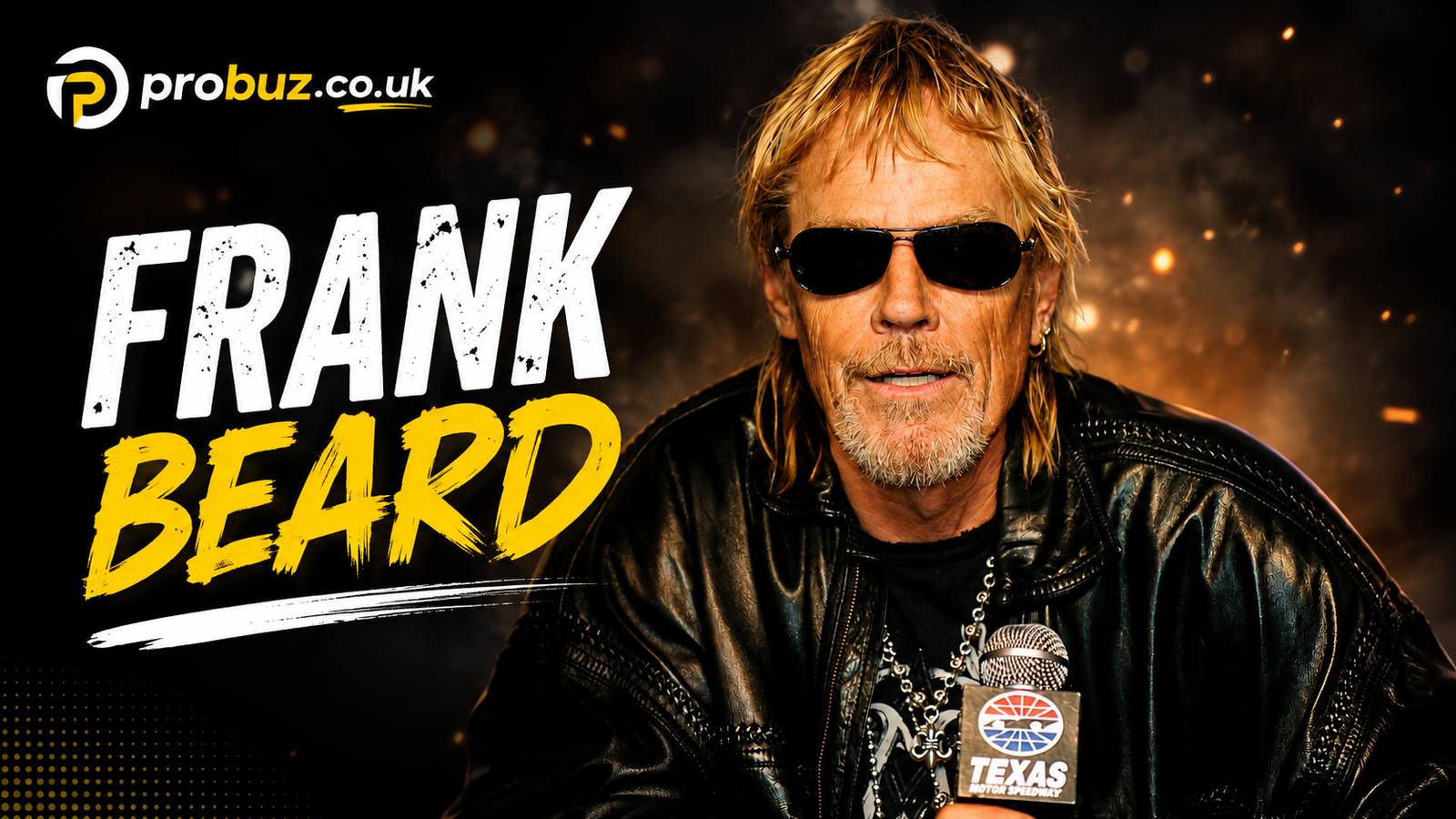
Frank Beard was the drummer who helped give ZZ Top its unmistakable sound. For more than five decades, his steady rhythms, blues-inspired grooves, and understated stage presence provided the foundation for one of Texas rock’s most successful bands.
There was also an enduring joke surrounding his name. Despite being called Frank Beard, he was the only member of ZZ Top’s classic trio who did not wear the group’s famous long beard. While Billy Gibbons and Dusty Hill became instantly recognizable for their facial hair, Beard stood behind the drum kit with a mustache and let his playing do the talking.
Born on June 11, 1949, in Frankston, Texas, Beard developed his musical career through the Texas club scene before becoming a founding member of ZZ Top. He remained with the group from 1969 until his death on August 17, 2026, at age 77.
His story is more than a footnote in ZZ Top history. Beard was a crucial part of the band’s rhythm section, helping shape the Texas blues-rock and boogie style that eventually reached audiences around the world.
Who Was Frank Beard?
Frank Lee Beard was an American drummer best known for his work with ZZ Top. He was born in Texas in 1949 and grew up in Irving, where he attended Irving High School.
Before ZZ Top became famous, Beard spent years playing in local bands. His early musical associations included groups such as the Cellar Dwellers, the Hustlers, the Warlocks, and American Blues. These experiences placed him in the same Texas music circles as bassist Dusty Hill.
That connection would eventually prove decisive. Beard and Hill became close musical collaborators, and Beard later helped bring Hill into the emerging ZZ Top lineup.
Frank Beard and the Formation of ZZ Top
ZZ Top began taking shape in Houston in 1969. Guitarist and vocalist Billy Gibbons had previously led the psychedelic group the Moving Sidewalks, but he wanted to build a new band centered on blues and boogie.
Beard joined Gibbons during this formative period. He also suggested Dusty Hill, his former bandmate, as the bassist. That combination created the classic trio that would define ZZ Top for generations.
The chemistry between the three musicians became one of the band’s greatest strengths. Gibbons supplied the distinctive guitar work, Hill provided bass and vocals, and Beard anchored everything with drums.
Their first album, ZZ Top’s First Album, arrived in 1971. The record introduced audiences to the band’s raw blues-rock sound and established the foundation for a career that would eventually span more than half a century.
What Made Frank Beard’s Drumming Special?
Frank Beard’s greatest contribution was not flashy showmanship. It was consistency, feel, and timing.
ZZ Top’s music often depended on a strong blues groove. Beard became especially associated with the Texas shuffle, a rhythmic approach that blends a swinging blues feel with the weight and drive of rock music.
That style can sound simple when heard casually. In practice, however, maintaining a tight groove while leaving enough space for guitar and bass requires control. Beard understood how to make the drums powerful without overwhelming the rest of the band.
His playing helped tracks such as “La Grange” and “Tush” achieve their distinctive rhythmic character. Later, when ZZ Top moved toward a more polished sound, Beard remained an important part of the band’s musical identity.
Frank Beard and ZZ Top’s Biggest Era
ZZ Top’s early albums established the band’s reputation in Texas and among blues-rock audiences. The group’s sound became more ambitious as the 1970s progressed, and albums such as Tres Hombres helped expand its following.
The band’s breakthrough into the mainstream came in the 1980s. Eliminator, released in 1983, combined ZZ Top’s blues-rock foundation with synthesizers, polished production, memorable music videos, and a strong MTV presence.
Songs such as “Gimme All Your Lovin’,” “Sharp Dressed Man,” and “Legs” introduced ZZ Top to a much larger international audience. Beard’s drumming remained an essential part of the band’s rhythm section even as the production became more technologically sophisticated.
This ability to adapt without losing the band’s identity was one of ZZ Top’s greatest strengths.
Why Was Frank Beard the Only ZZ Top Member Without a Long Beard?
The contrast between Beard’s name and his appearance became one of rock music’s favorite visual jokes.
Billy Gibbons and Dusty Hill were famous for their exceptionally long beards, sunglasses, and distinctive Texas-rock image. Beard, meanwhile, generally wore a mustache rather than the long beard associated with his bandmates.
The irony was impossible to miss: the man named Beard was the least bearded member of ZZ Top.
The joke became part of the band’s identity, but it never overshadowed Beard’s role as a musician. His value to ZZ Top came from his drumming, musical instincts, and decades of experience rather than his appearance.
Frank Beard’s Personal Life
Beard generally maintained a lower public profile than many rock stars. Although his career placed him on major stages around the world, he was known for keeping much of his private life away from the spotlight.
He married Debbie Meredith in 1982, and the couple had three children. He had previously been married to Catherine Alexander.
Outside music, Beard developed interests that reflected his Texas lifestyle, including golf and automobiles. His public image was therefore somewhat different from the stereotypical rock-star persona. He could command a stadium from behind a drum kit while remaining relatively private away from the stage.
Frank Beard’s Struggles and Resilience
Beard’s life was not without difficulties. Like many musicians who found fame during the 1970s, he experienced serious personal struggles, including addiction.
Later in life, he became known for maintaining a quieter and more grounded lifestyle. His ability to continue working professionally for decades after the turbulent early years of his career became another part of his story.
His long career also demonstrates the demands placed on musicians who remain active for decades. Beard continued performing with ZZ Top through different musical eras, lineup changes, and shifts in the music business.
Frank Beard and the Loss of Dusty Hill
ZZ Top’s classic lineup remained remarkably stable for decades. Beard, Gibbons, and Hill performed together for more than 50 years, making their chemistry a defining feature of the group.
That era changed when Dusty Hill died in 2021. Hill had been Beard’s longtime friend and musical partner, dating back to their days playing together before ZZ Top.
After Hill’s death, Elwood Francis joined the band on bass. Rather than ending ZZ Top, the remaining musicians chose to continue performing.
For Beard, the change meant carrying forward a musical legacy that had been built with Hill over many decades.
Frank Beard’s Final Years With ZZ Top
Beard remained associated with ZZ Top into his seventies. Health problems eventually caused him to step away from some touring activities.
In 2025, he took time away from touring for medical reasons, with Michael Monahan filling in on drums during some performances. Beard later returned to the road before his health deteriorated again in 2026.
His final period with ZZ Top was therefore marked by both his enduring commitment to the band and the physical challenges that come with a career lasting more than 50 years.
When Did Frank Beard Die?
Frank Beard died on August 17, 2026, at age 77. Reports said he died at his ranch in Richmond, Texas, while receiving hospice care and surrounded by family. The cause of death was not publicly disclosed in the reports available at the time.
His death marked the end of an extraordinary chapter in ZZ Top’s history. Beard had been part of the group for approximately 56 years and had performed on its studio recordings across multiple generations of rock music.
Billy Gibbons and others paid tribute to Beard’s musicianship, friendship, and importance to the band’s sound. ZZ Top has also indicated that the group intends to continue performing, honoring Beard’s wishes.
Frank Beard’s Legacy in Rock Music
Frank Beard’s legacy rests on something that is easy to overlook: the drummer does not always occupy the visual center of a band, but the drummer often determines how the entire group feels.
That was certainly true of ZZ Top.
Beard provided the pulse beneath Gibbons’ guitar and Hill’s bass. His controlled shuffle, solid backbeat, and understanding of blues rhythm helped turn relatively simple musical ideas into songs with enormous character.
His career also represents the remarkable longevity of ZZ Top. The band remained recognizable across changing musical fashions, from 1970s blues rock to 1980s MTV culture and beyond.
ZZ Top was inducted into the Rock & Roll Hall of Fame in 2004, recognizing the importance of the band’s long-running contribution to rock music.
Frank Beard’s Most Important Contributions
Several parts of Beard’s career stand out when looking at his overall impact:
Building ZZ Top’s Rhythm Section
Beard and Dusty Hill developed a rhythm partnership that became central to the band’s sound. Their ability to lock together gave Gibbons room to experiment with guitar tones and blues phrasing.
Defining the Texas Shuffle
Beard became strongly associated with the shuffle-based grooves that helped make songs such as “La Grange” and “Tush” instantly recognizable.
Supporting ZZ Top’s Musical Evolution
The band moved from raw blues-rock to a highly produced 1980s sound without abandoning its core identity. Beard’s drumming helped connect those different periods.
Maintaining Consistency
Few rock musicians spend more than five decades in the same band. Beard’s longevity made him an important part of ZZ Top’s continuity.
Conclusion
Frank Beard was much more than the drummer whose name created an amusing contradiction in ZZ Top’s image. He was one of the musicians responsible for creating the band’s distinctive rhythm, helping turn Texas blues and boogie into a sound that reached a worldwide audience.
From his early days playing alongside Dusty Hill to more than five decades with ZZ Top, Beard built a career defined by consistency, musical instinct, and longevity. His drumming supported some of the band’s best-known songs and helped keep its sound recognizable through enormous changes in popular music.
His death in 2026 closes an important chapter in ZZ Top’s history. Yet the recordings remain, and so does the unmistakable groove that Frank Beard brought to them. For listeners discovering ZZ Top today, paying attention to the drums reveals just how much of the band’s character came from the man who, ironically, was the least bearded member of the group.
Visit also : probuz.co.uk
Who was Frank Beard?
Frank Beard was an American drummer best known as a longtime member of ZZ Top. He joined the band during its formation in 1969 and became the drummer of its classic lineup.
Was Frank Beard actually the only ZZ Top member without a beard?
Yes. Despite his surname, Beard was famous for not wearing the long beard associated with Billy Gibbons and Dusty Hill. He generally wore a mustache instead.
When did Frank Beard join ZZ Top?
Beard joined the emerging ZZ Top lineup in 1969. He also helped bring Dusty Hill into the group, completing the classic trio.
What was Frank Beard’s drumming style?
Beard was particularly known for his tight, blues-based Texas shuffle and steady rock groove. His playing gave ZZ Top a strong rhythmic foundation without overpowering the guitar and bass.
When did Frank Beard die?
Frank Beard died on August 17, 2026, at the age of 77. He died at his Texas ranch while receiving hospice care. His reported cause of death was not publicly disclosed.