Introduction
Searching for the best humita en chala near me can lead to a surprisingly rewarding food adventure. This traditional dish from northwestern Argentina combines fresh corn, onion, squash, herbs, spices, and often cheese inside a carefully folded corn husk. The result is soft, fragrant, slightly sweet, and savory at the same time.
Unlike many dishes that depend on heavy sauces or strong seasoning, humita lets good corn do much of the work. Authentic versions can vary from one region and cook to another, so finding a great one is partly about knowing what to look for.
If you are trying humita en chala for the first time—or simply want to find a better version nearby—this guide explains the dish, what separates an excellent humita from an average one, and how to search locally with confidence.
What Is Humita en Chala?
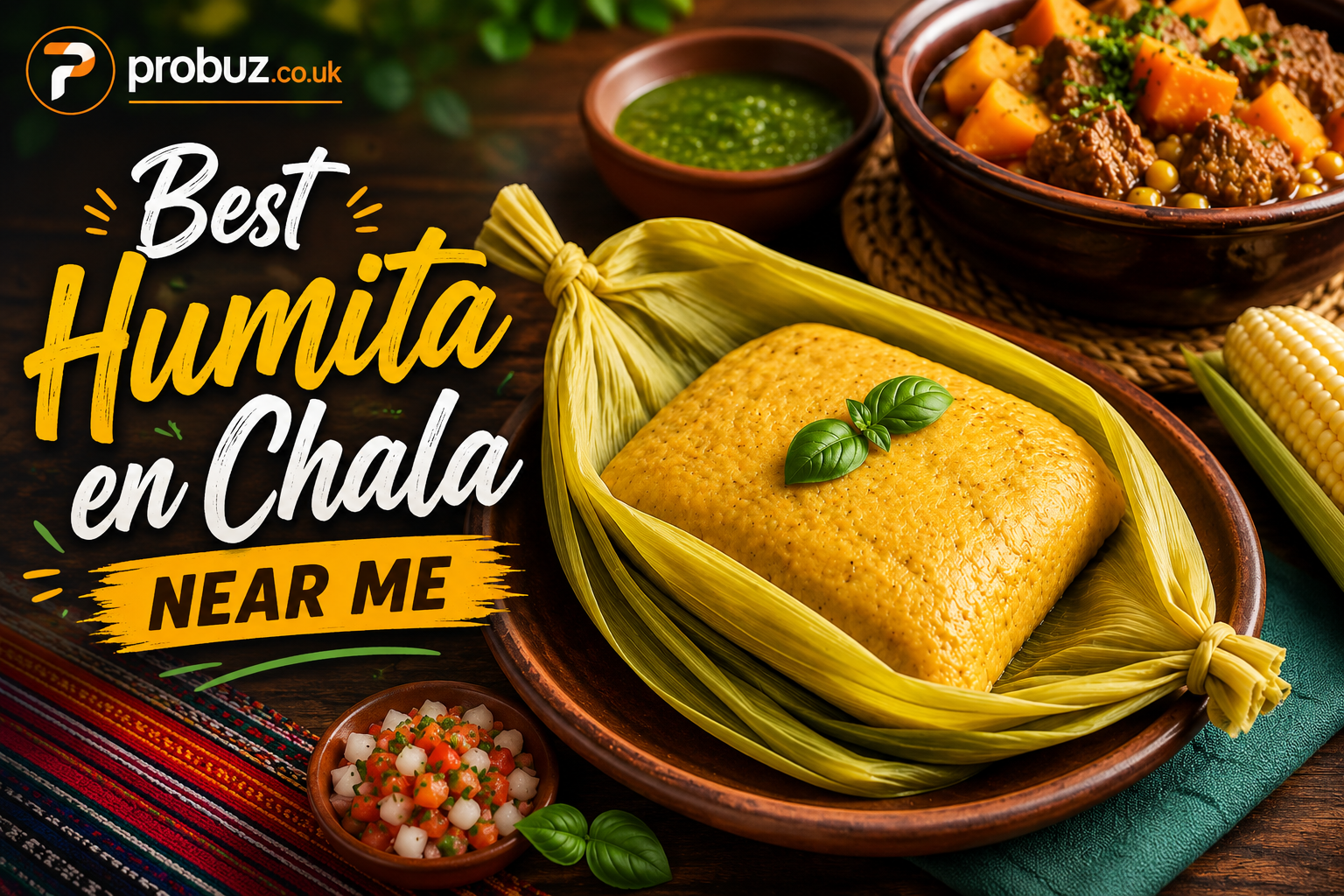
Humita en chala is a traditional Argentine corn-based dish associated particularly with the country’s northwestern regions, including Salta, Jujuy, and Tucumán. The name refers to the way the corn mixture is wrapped in chala, the Spanish term commonly used for corn husks.
The filling is generally made from fresh corn that has been grated, ground, or processed. Depending on the regional recipe, it may include squash, onion, peppers, basil, paprika, cumin, and cheese. The mixture is placed inside corn husks, folded into a small parcel, tied, and cooked.
That preparation gives humita en chala its distinctive character. The corn remains the star, while the husk helps contain the mixture and contributes to the dish’s traditional presentation.
Humita en Chala vs. Humita a la Olla
The two preparations share many ingredients but differ in presentation and cooking method.
Humita a la olla is cooked directly in a pot and served as a thick, creamy corn preparation. Humita en chala, by contrast, is wrapped in corn husks before cooking, giving it a firmer structure that can be opened and eaten directly from the wrapper.
If you are specifically searching for humita en chala near me, check the menu carefully. A restaurant may offer humita but serve only the pot version.
What Makes the Best Humita en Chala?
Not every humita tastes the same. Several details can make a major difference.
Fresh, Flavorful Corn
Corn is the foundation of the dish, so its flavor matters. A good humita should have a clear corn taste rather than tasting mainly of spices, salt, or dairy.
Fresh corn can also provide the gentle sweetness traditionally associated with some northwestern Argentine versions. Visit Argentina describes humita in the region as having a sweet-savory character, with basil sometimes used to complement the corn.
A Soft but Structured Texture
The filling should be tender and moist without becoming watery. It should hold together when the chala is opened but still feel creamy when eaten.
A humita that is excessively dry may have been overcooked. One that is completely loose or watery may lack the texture expected from a well-prepared version.
Balanced Seasoning
Traditional recipes can include onion, peppers, paprika, cumin, basil, and other seasonings. Cheese is also common, particularly in versions designed to have a creamy or savory center.
The best versions usually balance these ingredients instead of allowing one seasoning to overpower the corn.
Properly Prepared Chala
The corn husk is more than decoration. It needs to be clean, flexible, and folded securely enough to keep the filling contained during cooking.
Traditional preparation uses two husks arranged to create a parcel, with the filling placed in the center before the package is folded and tied.
How to Find the Best Humita en Chala Near Me
Finding this dish locally can require more than typing the keyword into a standard restaurant search.
Search for Argentine Restaurants
Start with restaurants specializing in Argentine cuisine, particularly establishments that highlight food from Salta, Jujuy, Tucumán, or the broader northwestern Argentine region.
Use searches such as:
“humita en chala near me”
“Argentine restaurant near me”
“Salteña food near me”
“traditional Argentine food”
“humitas en chala”
“Argentine corn tamale”
The phrase “humita” alone can produce different dishes, so adding en chala makes your search more precise.
Check the Current Menu
A restaurant may have served humita en chala in the past but not offer it every day. Traditional dishes can be seasonal or appear as specials.
Before making a trip, check the restaurant’s current menu or contact the establishment directly. Ask specifically whether they serve humita en chala, rather than simply asking whether they have humita.
Read Reviews Carefully
Restaurant reviews can reveal useful clues, especially when customers mention specific dishes.
Look for comments describing:
Fresh corn flavor
Homemade preparation
Soft, creamy filling
Melted cheese
Traditional Argentine cooking
Salta or northwestern Argentine specialties
Generous portions
Seasonal availability
At the same time, avoid choosing a restaurant solely because it has a large number of reviews. For a specialty dish, comments about the specific food are more useful than general restaurant ratings.
What to Ask When Ordering
If you have never tried humita en chala before, a few simple questions can help.
Ask whether the version is savory or sweet, since both styles exist. Some recipes emphasize the natural sweetness of fresh corn, while others use peppers, spices, and cheese for a more savory profile.
You can also ask whether the restaurant prepares it in-house. A handmade version may involve considerably more preparation than simply heating a ready-made product.
If cheese is important to you, ask what type is used. Argentine recipes can include cheeses such as goat cheese, creamy cheeses, or other mild varieties.
What to Expect When You Try Humita en Chala
Opening a properly prepared humita is part of the experience. The husk is removed or opened to reveal the cooked corn filling inside.
Expect a texture somewhere between a dense corn pudding and a soft savory parcel. The exact consistency depends on the recipe and the amount of fresh corn, squash, dairy, and other ingredients used.
The flavor should generally be comforting rather than aggressive. Corn brings sweetness, onion adds depth, herbs provide freshness, and cheese can contribute richness.
Is Humita en Chala the Same as a Tamale?
They are similar in presentation but should not be treated as identical dishes.
Both can involve a mixture wrapped in plant material and cooked, but Argentine humita en chala is centered on fresh corn. Traditional Argentine sources distinguish it from tamales and describe humita as a separate preparation with its own regional history and ingredients.
This distinction matters when searching for the dish. A restaurant serving Latin American tamales may not necessarily serve authentic Argentine humita en chala.
When Is the Best Time to Order It?
Availability depends heavily on the restaurant and location. If you are searching for the best humita en chala near me, do not assume it will always be available.
In Argentina, humita is closely associated with the food traditions of the northwest, and it can be particularly appealing during cooler months. The dish also has strong links to agricultural communities and corn harvest traditions.
A restaurant specializing in regional Argentine cuisine may offer it seasonally, as a weekend special, or during cultural events.
What to Order With Humita en Chala
Humita is filling enough to stand alone, but it also works well as part of a larger Argentine meal.
You might pair it with another traditional Argentine dish, depending on the restaurant’s menu. A simple salad can also provide contrast to the soft, rich texture of the humita.
For a first visit, ordering one humita alongside another specialty can be a useful way to compare flavors without committing to a full meal centered on one dish.
How to Spot an Authentic-Style Version
There is no single universal recipe that defines every humita en chala. Regional cooks have their own techniques, ingredient preferences, and seasoning choices.
Still, a few signs can point toward a traditional preparation:
The dish is actually wrapped in corn husks.
Fresh corn is central to the filling.
The texture is soft and moist rather than bread-like.
The menu identifies the dish with northwestern Argentine cuisine.
The restaurant can explain how its humita is prepared.
Corn, herbs, vegetables, and cheese remain balanced rather than hidden beneath heavy seasoning.
Argentina’s official tourism information identifies humita en chala as a characteristic dish of the country’s northern culinary tradition, particularly associated with Salta, Jujuy, and Tucumán.
Common Mistakes When Searching for Humita en Chala Near Me
Searching Only for “Humita”
This can return humita a la olla, sweet corn dishes, or unrelated recipes. Always include en chala when that is the preparation you want.
Assuming Every Argentine Restaurant Serves It
An Argentine restaurant may focus on steak, empanadas, pizza, pasta, or other specialties. Humita en chala is more specific.
Ignoring Menu Availability
Specialty dishes can disappear from menus temporarily. A quick call or current menu check can save you an unnecessary trip.
Confusing It With Corn Tamales
The dishes may look similar, but their ingredients and culinary traditions differ. If you specifically want Argentine humita, confirm that the restaurant serves the Argentine version.
A Simple Search Strategy
If your goal is simply to find the best humita en chala near me, use this process:
Search for the exact dish name.
Filter the results for Argentine or northwestern Argentine restaurants.
Check the current menu.
Read reviews that mention humita specifically.
Call ahead if the dish appears seasonal or unavailable online.Compare freshness, preparation style, price, and customer feedback before choosing.
This approach is more reliable than picking the first restaurant that appears in search results.
Conclusion
Finding the best humita en chala near me is easier when you know what you are actually looking for. This traditional northwestern Argentine dish is built around fresh corn, carefully seasoned filling, and a distinctive corn-husk wrapping. Its appeal comes from simplicity, texture, and regional character rather than complicated presentation.
When comparing local options, focus on the restaurant’s Argentine credentials, current menu, customer comments about the dish, and preparation style. If possible, confirm that the humita is genuinely served en chala rather than as humita a la olla.
Most of all, give the dish a chance to stand on its own. A well-made humita en chala offers a warm introduction to the flavors and culinary traditions of northern Argentina—and can turn a simple local food search into a memorable meal.
Visit also : probuz.co.uk
What is humita en chala made of?
It is primarily made from fresh corn and may include squash, onion, peppers, herbs, spices, and cheese. Recipes vary by region and cook.
Is humita en chala vegetarian?
Traditional humita en chala is generally a corn-and-vegetable preparation and many versions are vegetarian, but recipes can vary. Ask the restaurant about its specific ingredients, especially if you avoid meat or animal products.
Is humita en chala sweet or savory?
It can be either. Some versions emphasize the natural sweetness of fresh corn, while savory recipes may include peppers, spices, herbs, and cheese.
Is humita en chala the same as humita a la olla?
No. Humita a la olla is cooked and served as a creamy preparation in a pot, while humita en chala is wrapped in corn husks before cooking.
How do I find the best humita en chala near me?
Search for the exact phrase alongside Argentine restaurant terms, check current menus, read dish-specific reviews, and confirm availability before visiting.
What should good humita en chala taste like?
A good version should highlight fresh corn while balancing sweetness, savory vegetables, herbs, spices, and, where used, cheese. The texture should be soft and moist but still hold its shape.